



Nothing signals "fine dining" to a guest faster than the table in front of them — before the first course even arrives. A correctly built place setting tells guests they're in capable hands. An inconsistent one, even with beautiful food on the way, creates doubt. For restaurant operators, hotel F&B teams, and banquet captains, knowing exactly where every piece belongs isn't just etiquette trivia — it's a training standard that protects your brand every single seating.
This guide breaks down a formal place setting piece by piece, the way it would appear on a table for a multi-course dinner, and shows you how to source dinnerware, flatware, and glassware built to hold up to nightly service.
The Foundation: Charger and Dinner Plate
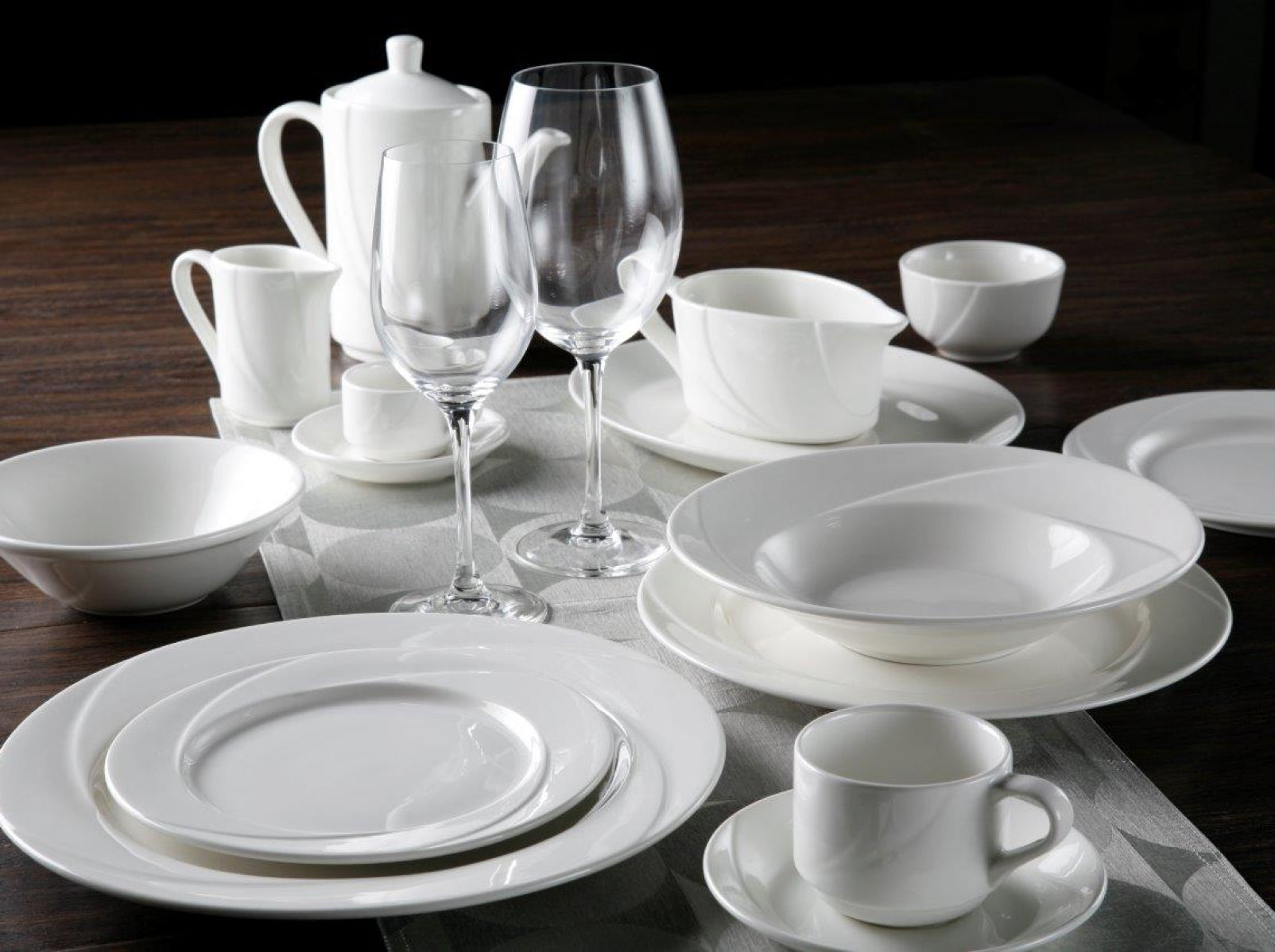
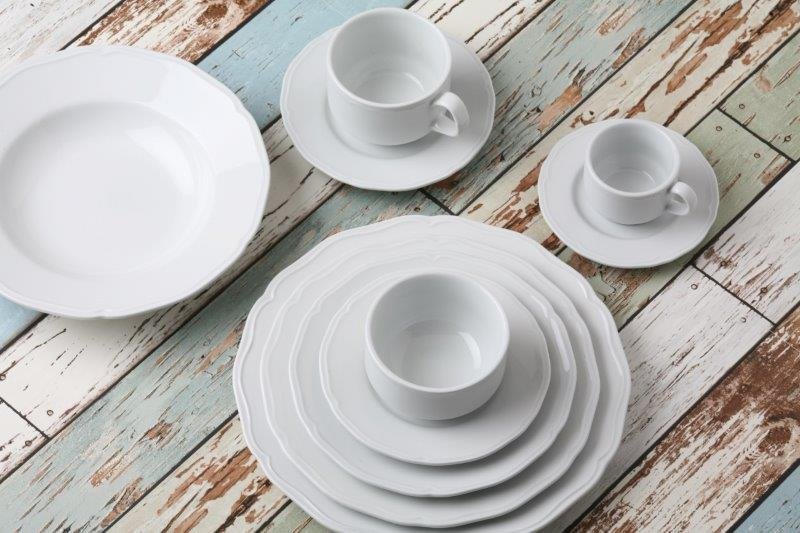
The charger sits at the center of the setting and is purely decorative — it's a placeholder, never eaten from, that gets swapped out once the entrée (on the actual dinner plate) is served. For less formal service, many operators skip the charger and set the dinner plate directly, using its rim as the guide for lining up flatware around it. This is the first impression that your guests get when dining, so it’s important to get it right.
A folded napkin goes either on top of the charger or to the left of the forks, depending on your house style.
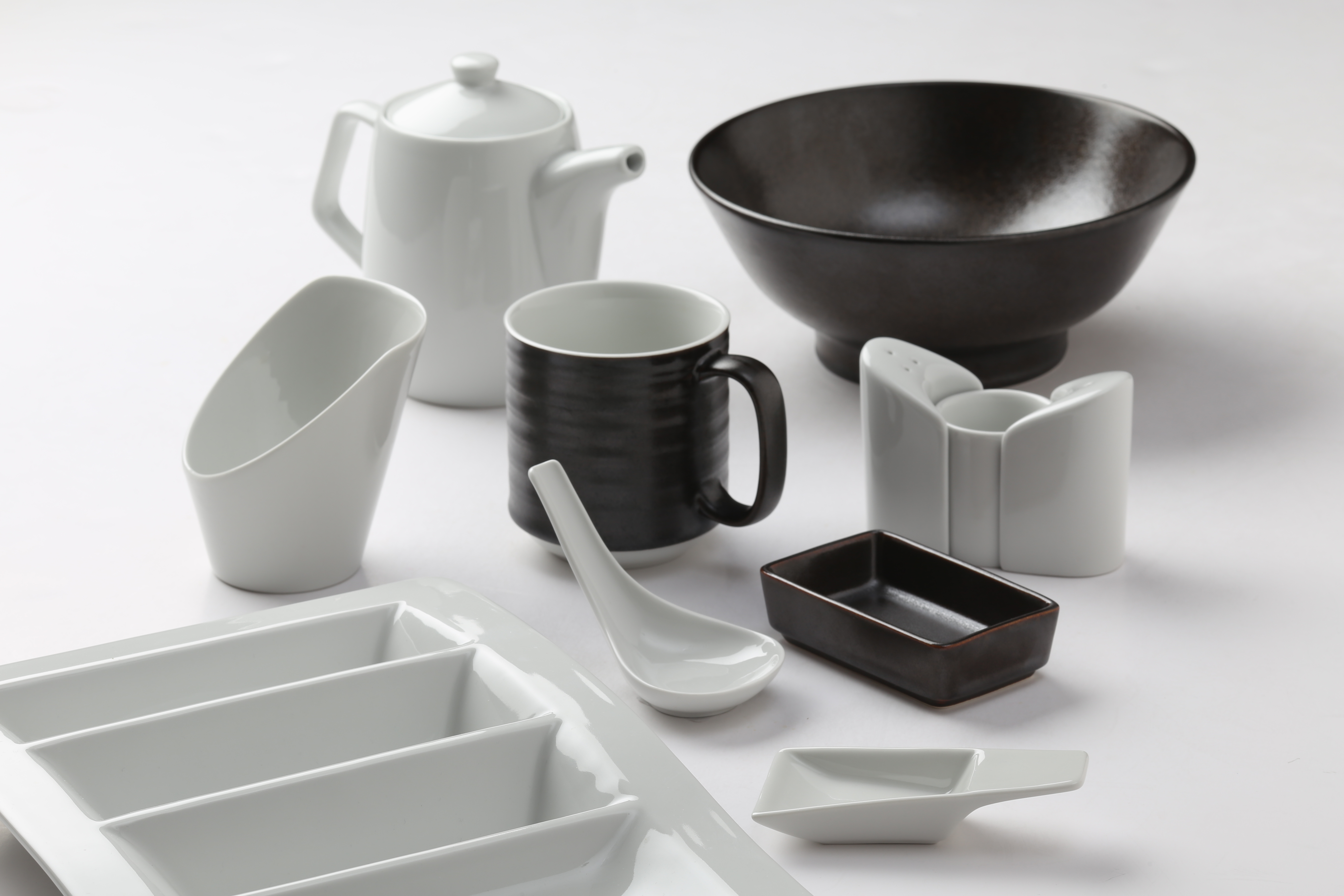
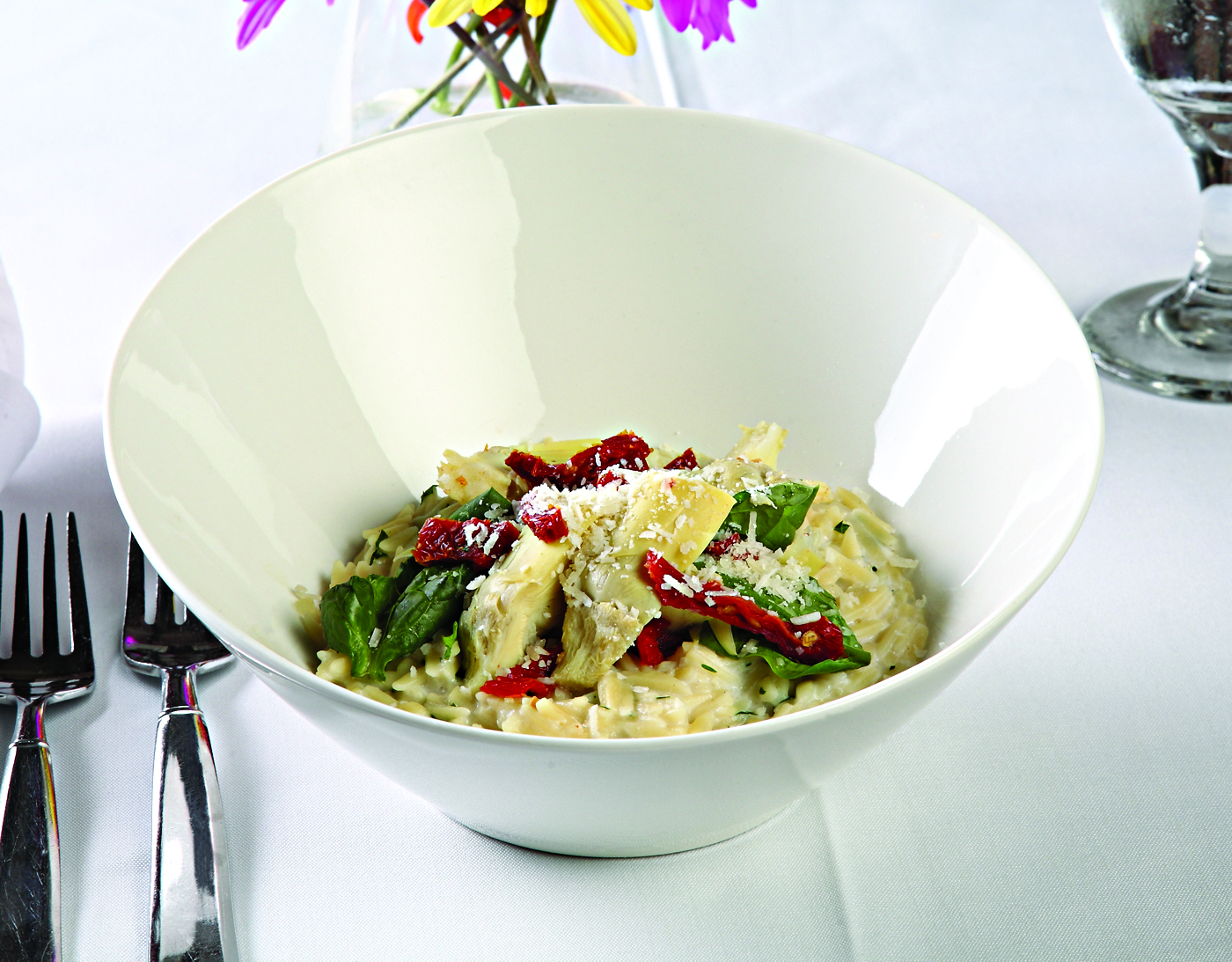
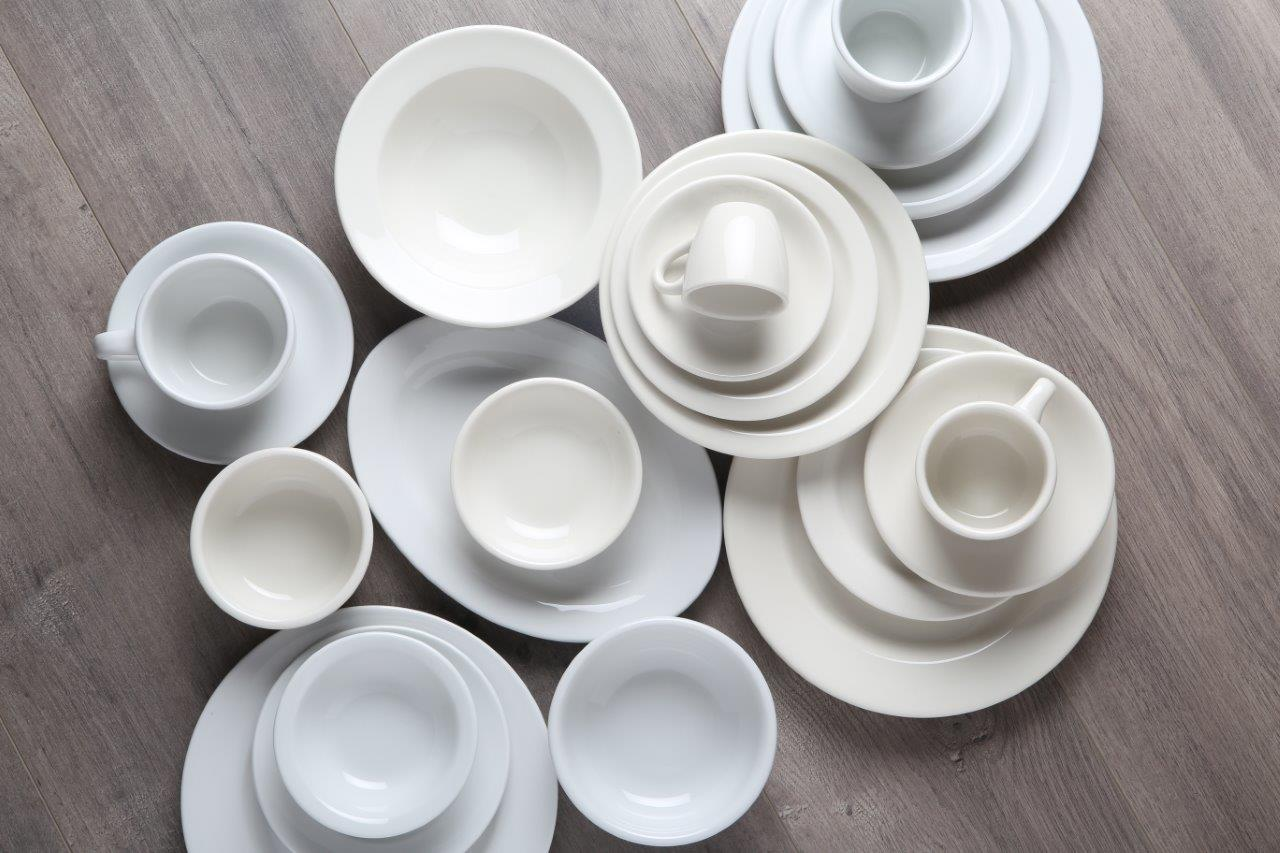
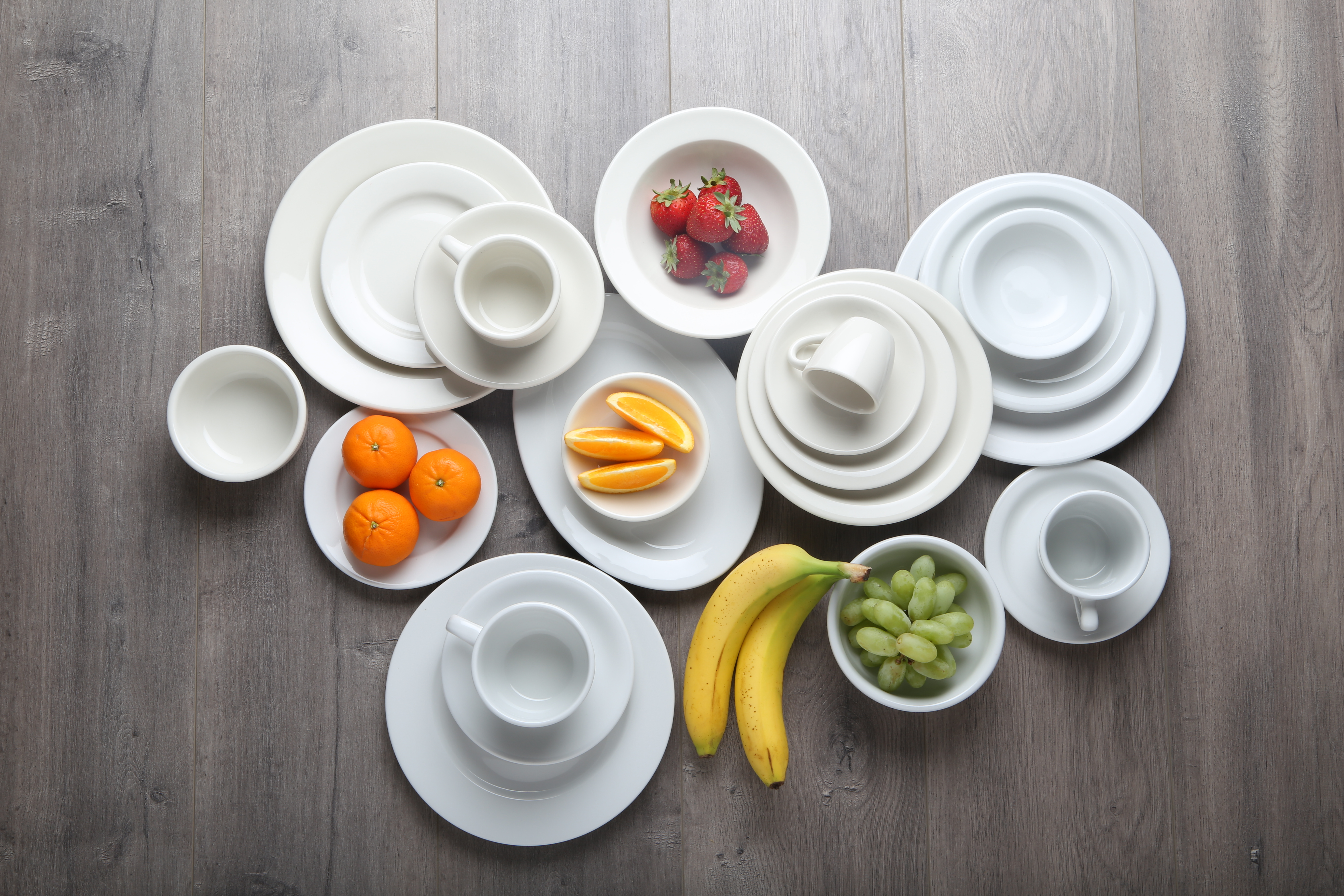
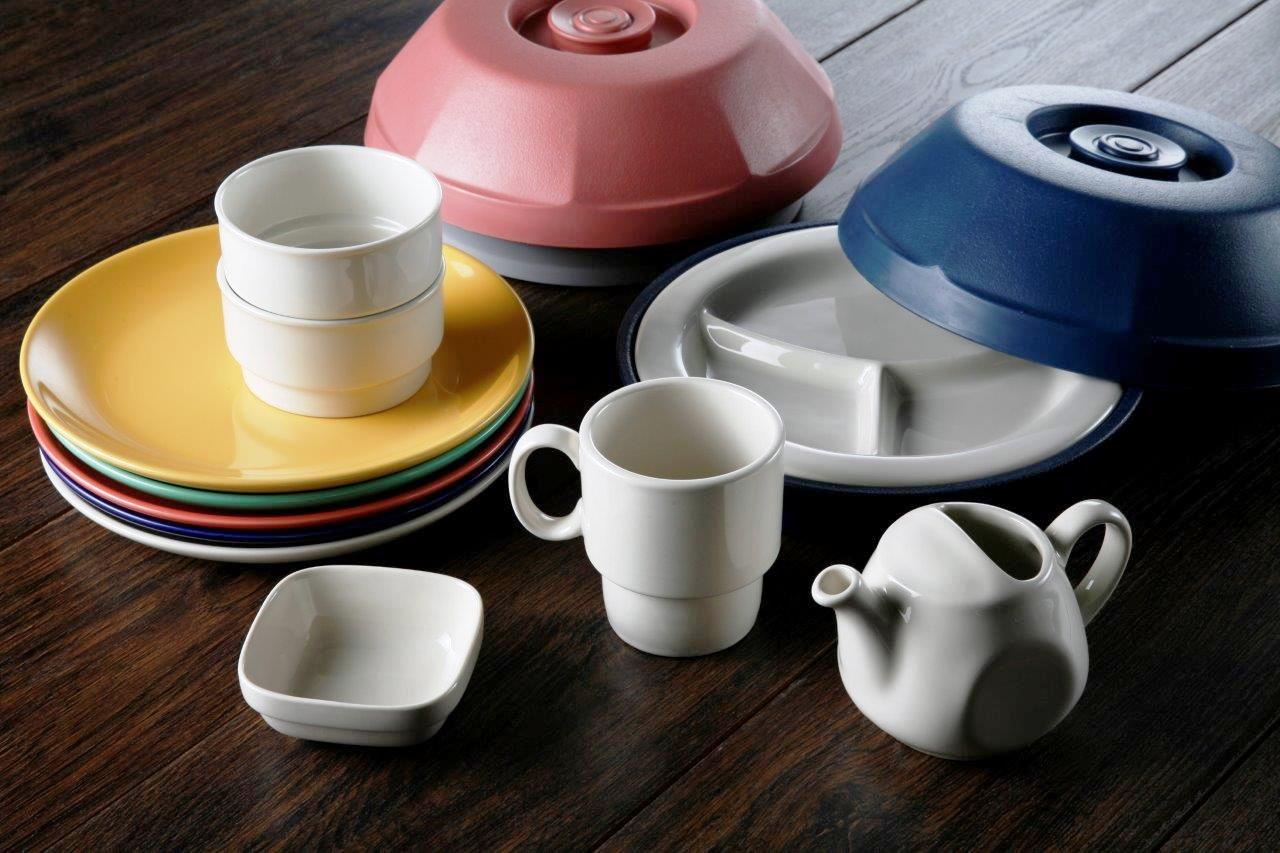
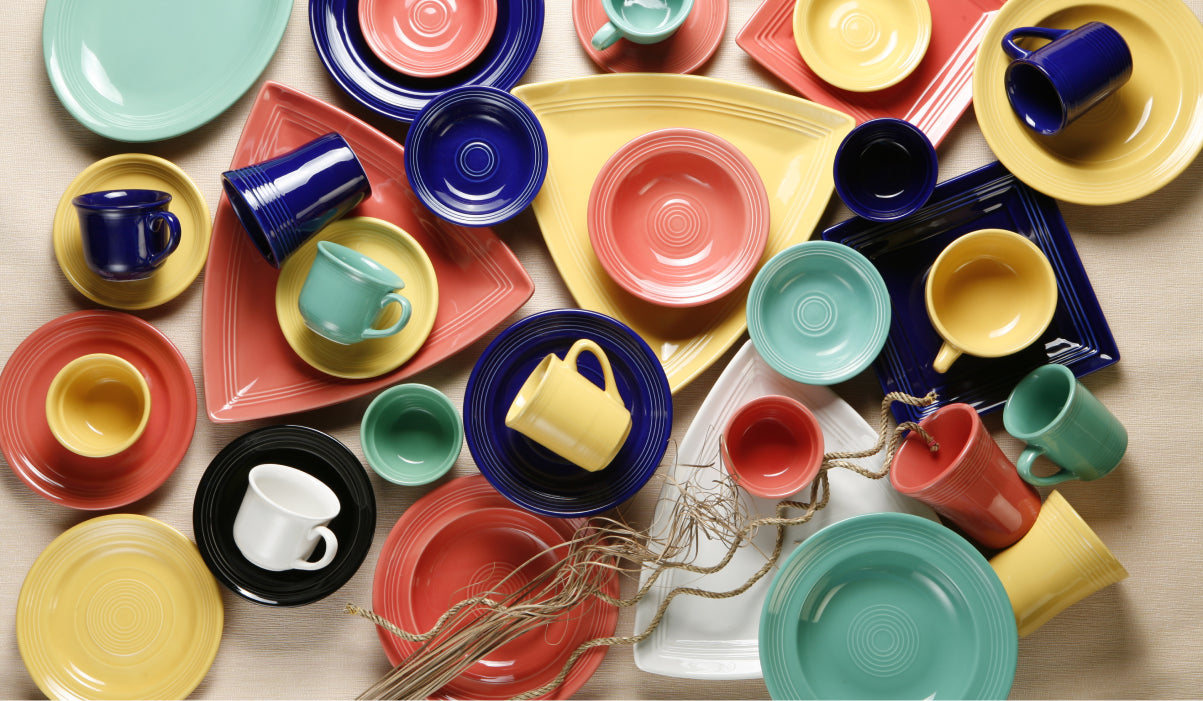
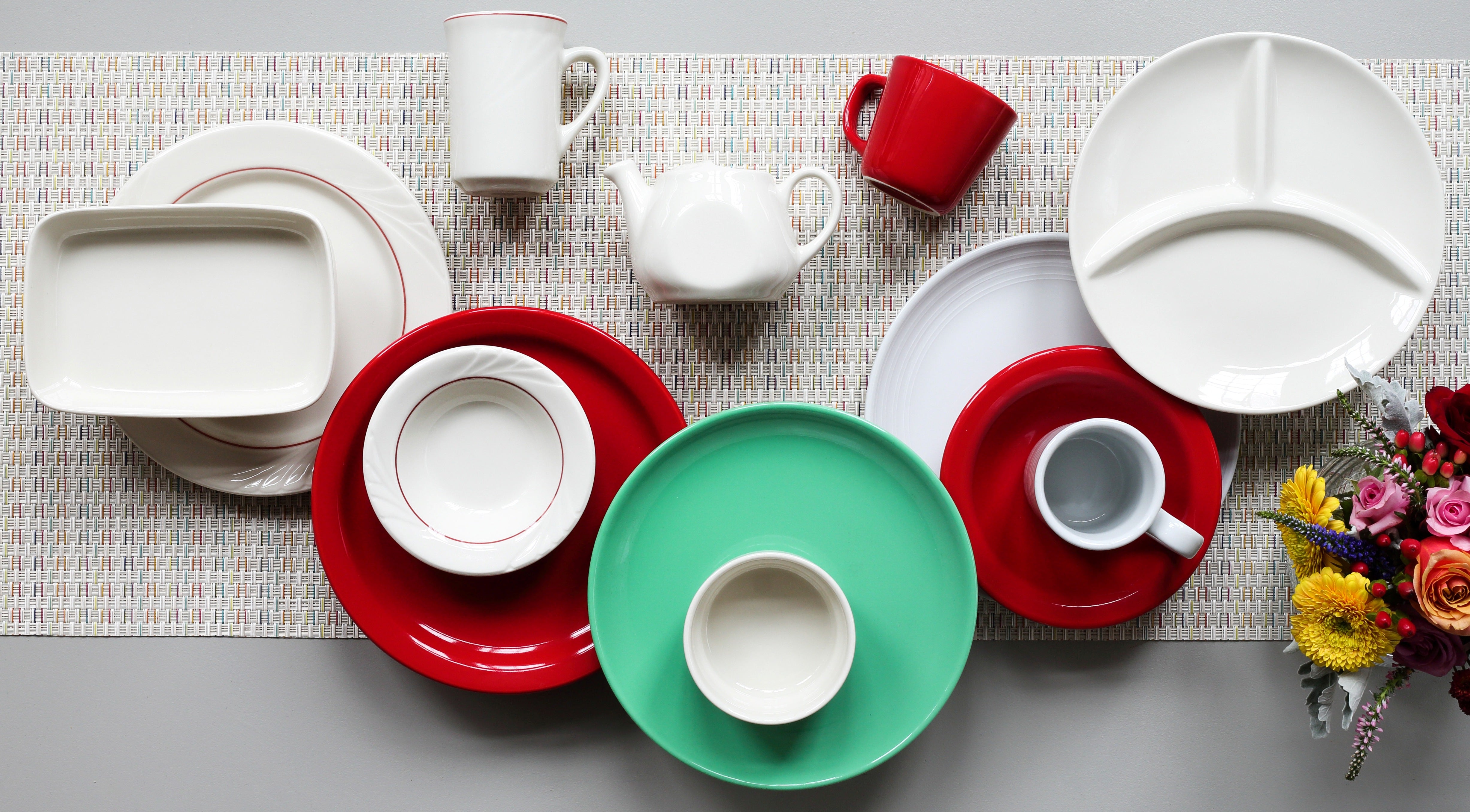
This is also where the biggest cost decision in your tabletop program lives. Tuxton's dinnerware collections — from the traditional aesthetic of Pacifica to the elegant pop of color in Charleston Blue — are built to survive thousands of commercial dishwasher cycles without chipping, so the presentation looks as sharp on night 1,000 as it did on opening night.

Flatware: Work From the Outside In
Guests instinctively know one rule: use the outermost fork or knife first, since utensils are placed in order of use, course by course. Left to right, that means:
-
Salad fork, fish fork, dinner fork — set to the left of the plate, forks pointed up
-
Dinner knife, fish knife, soup spoon — set to the right, blades facing the plate
-
Dessert spoon and dessert fork — placed horizontally above the plate, with the spoon pointing left (opposite the fork) so each utensil is grabbed in the direction it will be used
The rule that separates a sloppy setting from a sharp one: the bottoms of every piece of flatware should align, whether it's resting on the table or the edge of the charger. That single detail is what most guests register subconsciously as "put together," even if they couldn't tell you why.
Because flatware takes the most physical abuse in a dining room — dropped, bent, run through hundreds of wash cycles a week — it's worth sourcing pieces designed for commercial durability rather than consumer flatware that warps or dulls within a season.
Bread Plate and Butter Knife
The bread plate sits above the forks, with the butter knife laid across it, blade facing the diner. It's a small piece of real estate, but it's one of the first things a guest's hand reaches for at the table — which makes chip resistance and finish quality just as important here as on the entrée plate.
The Saltcellar
If your service includes one, the saltcellar can be placed anywhere above the dessert utensils. It's a small formal touch that's disappeared from a lot of modern dining rooms — but for banquets, private events, and old-school fine dining rooms, it's still expected.
Glassware: Build the Pyramid
Drinking glasses are arranged in a pyramid above the knife, with the water goblet closest to the plate, followed by red wine and white wine glasses fanning out behind it. The logic is the same as the flatware rule: everything within easy reach, arranged so a server refilling water or wine mid-course doesn't have to reach across the guest.
Why This Level of Detail Matters for Your Business
A consistent place setting does three things for an operation:
-
It speeds up service. When every setting follows the same standard, servers and bussers can reset a table without thinking twice, and new hires can be trained on one clear diagram instead of tribal knowledge passed down verbally.
-
It protects your brand at every seating. Guests notice inconsistency even when they can't name it — a fork on the wrong side or a mismatched water goblet chips away at the polish a guest is paying for.
-
It's a sourcing decision, not just a training one. A beautiful standard is only as good as the dinnerware and flatware holding it up. Chipped plates, warped flatware, and mismatched glassware undo the training the moment a guest sits down.
Sourcing Your Tabletop Program
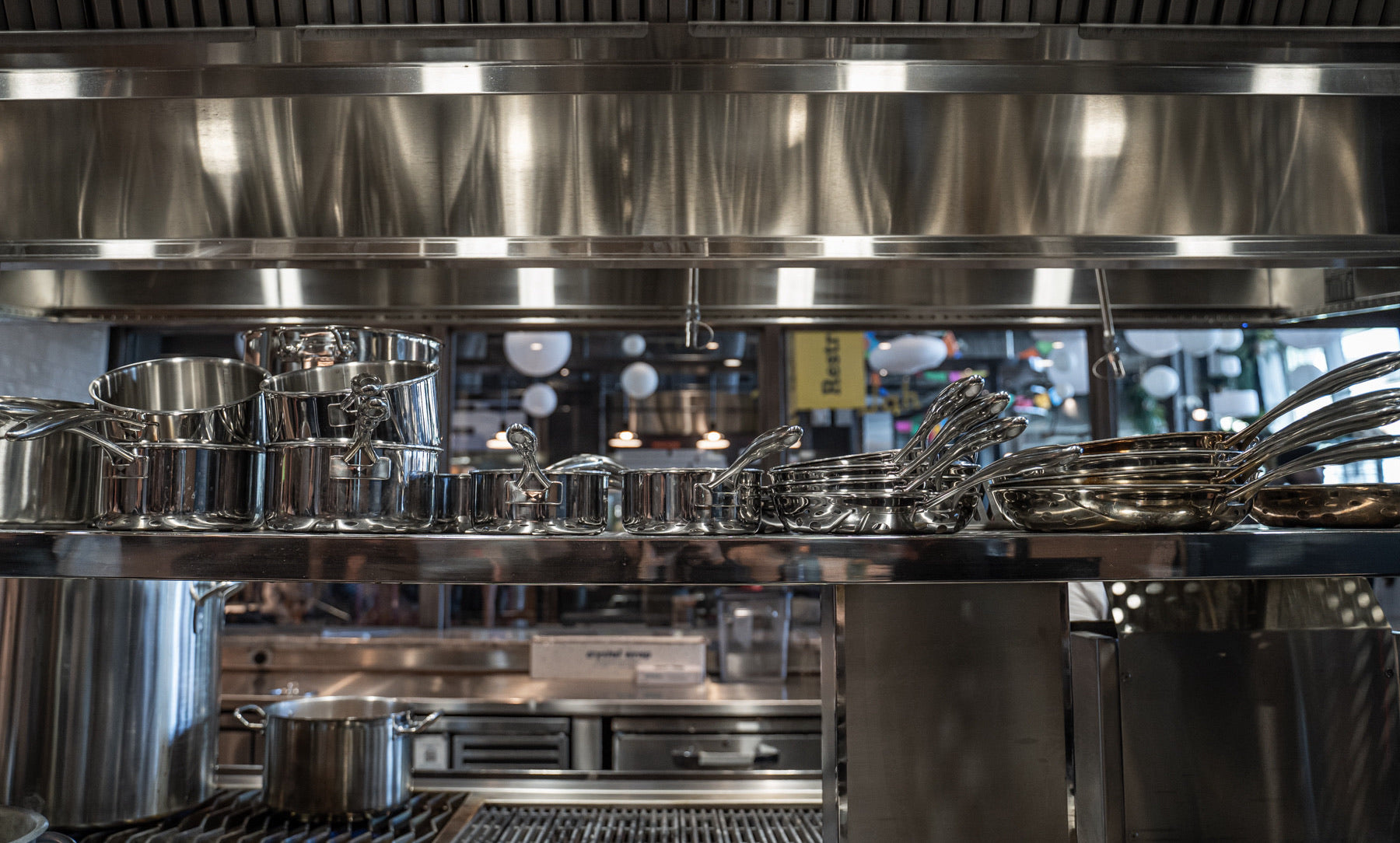
Whether you're setting up a new dining room or standardizing service across multiple properties, the details above only hold up long-term with commercial-grade tableware behind them. Tuxton has supplied independent restaurants, boutique hotels, multi-unit chains, and banquet and catering operations since 1999, with dinnerware and cookware lines built specifically for the demands of professional foodservice.
Look for:
-
Vitrified china for chargers, dinner plates, and bread plates that resist chipping through nightly wash cycles
-
Weighted, commercial-grade flatware that keeps its finish and alignment through years of service
-
Consistent reorder availability, so a signature charger or plate pattern you build a room around today is still available in three, five, or even ten years
Frequently Asked Questions
What is the correct order for setting a formal table? Work from the outside in: forks on the left (salad, fish, dinner), knives and spoons on the right (dinner knife, fish knife, soup spoon), with dessert utensils placed above the plate. Glassware forms a pyramid above the knife, and the bread plate with butter knife sits above the forks.
What's the difference between a charger and a dinner plate? A charger is a decorative placeholder set at the start of the meal and removed once the entrée is served on the actual dinner plate. It's never eaten directly.
Do all restaurants need a full formal place setting? No; many operations use a simplified version, setting the dinner plate directly (no charger) and using its rim to align flatware. The core spacing and ordering rules still apply.
Why does flatware alignment matter so much? Guests register consistency even when they can't identify the specific detail. Aligned flatware bottoms, evenly spaced glassware, and matching finishes are what make a table setting read as intentional rather than thrown together.
Ready to Standardize Your Tabletop Program?
Whether you're building a place-setting standard for a new dining room or refreshing tableware across an existing property, getting the pieces right — literally and figuratively — starts with sourcing tabletop built for the job.
Explore Tuxton's full collection of dinnerware and cookware → 📞 909.595.2510 | 📧 Info@tuxton.com | Check Real-Time Stock
Tuxton has been a trusted name in commercial foodservice dinnerware since 1999. Privately owned and family-run, we serve independent restaurants, boutique hotels, multi-unit chains, and healthcare facilities with product lines built for professional kitchens and presentation-ready service.